What is a PSD letter?
A PSD letter is a signed letter from a licensed mental-health clinician confirming that you have a psychiatric disability and a disability-related need for a dog trained to do tasks for you. It is used mainly for housing and work requests. It does not make a dog a service dog; training does (28 C.F.R. § 36.104).
Do I legally need a PSD letter?
Not to go into shops, restaurants or hotels: staff may not ask for documentation (28 C.F.R. § 36.302(c)(6)). Not to fly: airlines use the DOT forms (14 C.F.R. § 382.75). You will usually want one for housing, where a landlord may ask for reliable information when your disability is not obvious, and at work, where an employer may ask for documentation.
Who can write a PSD letter? Can my own therapist or doctor write one?
Yes. Any licensed clinician who treats or evaluates your condition, within the scope of their licence, can write it, including your own therapist, psychiatrist, psychologist or doctor. If you see a clinician by telehealth, they generally must be licensed in the state where you are.
Does my dog have to be trained before I apply?
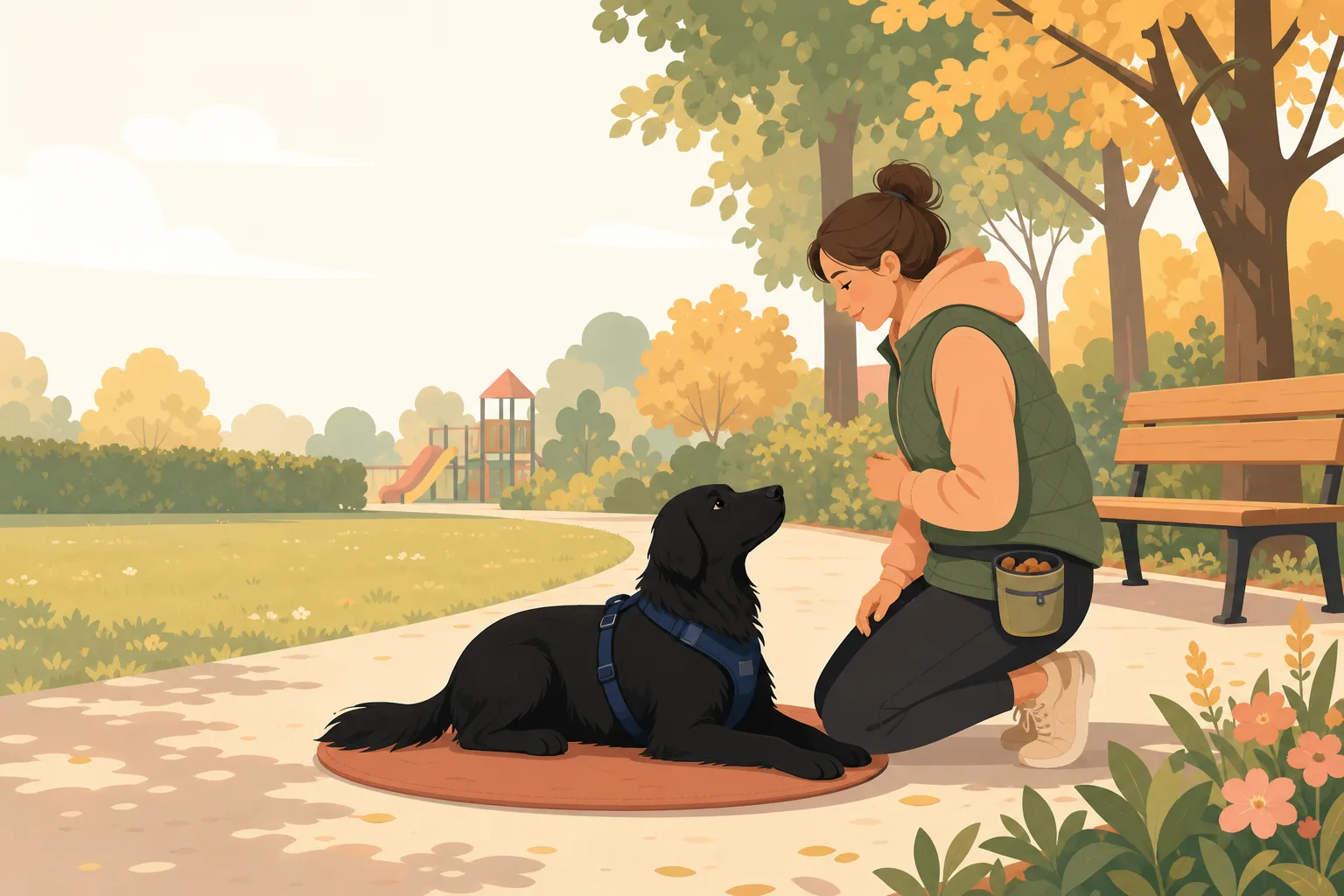
Your dog should already do at least one task for your disability, or be close to it. The clinician documents a need for a trained dog; the training itself is yours or a trainer's. If the training is still early, an ESA letter may cover your housing in the meantime.
How does the online consultation work?
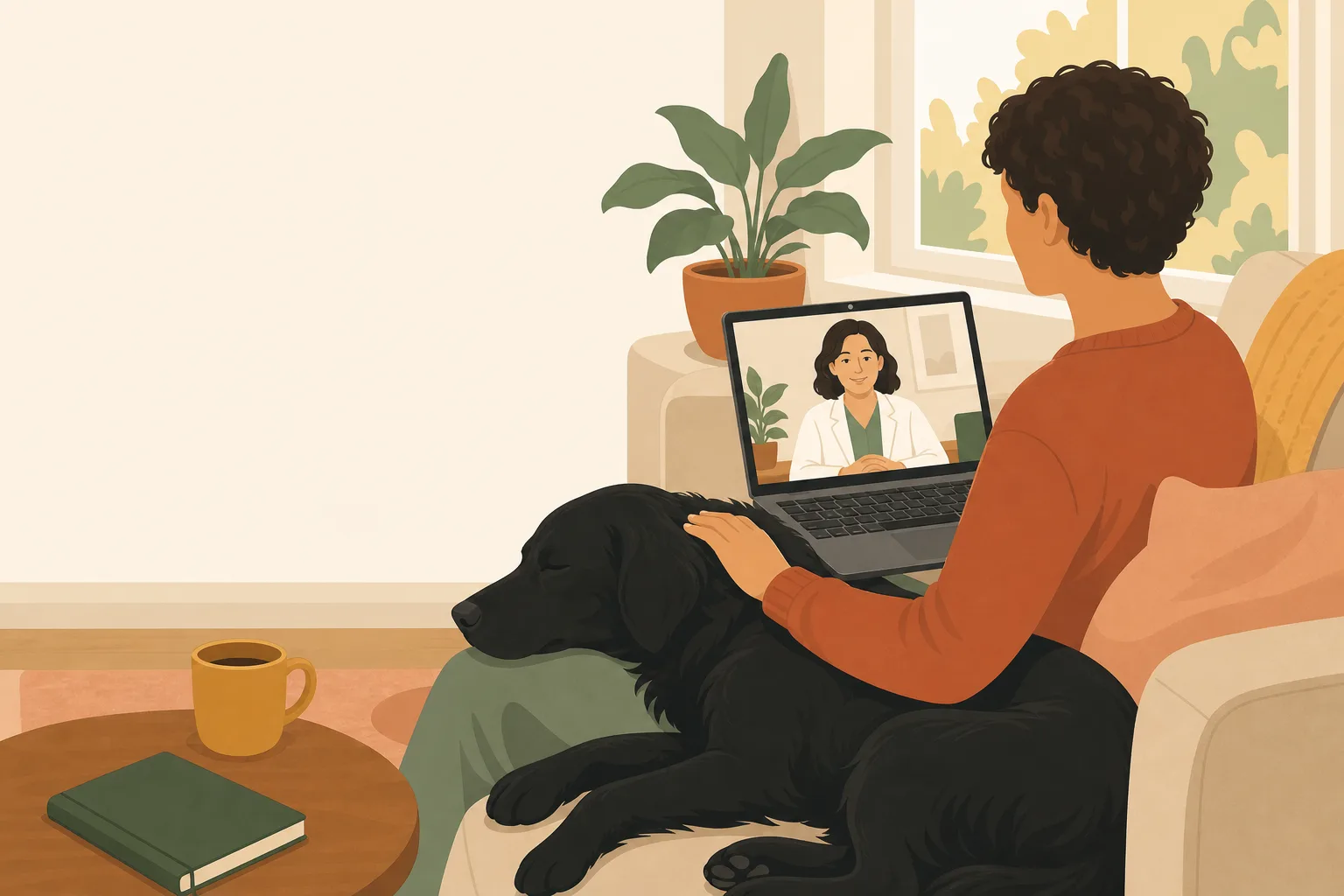
You take a free two-minute screening, pay at checkout, then meet a clinician licensed in your state by video or phone. They ask about your symptoms, how they limit daily life and what your dog does. The clinician decides whether you qualify.
Is an online PSD letter legitimate?
Yes, when a licensed clinician in your state evaluates you live before writing it. A letter you can download without speaking to anyone, or one sold with a registration number or ID card, is not a real evaluation.
How much does a PSD letter cost?
$79 for the letter and the consultation. With an ESA letter for housing it is $149, which includes a consultation for each. The price is the same in every state and there is no subscription.
Can I get a PSD letter in 24 hours?
Often, yes. If the clinician finds you qualify, the signed PDF often arrives within 24 hours of the consultation and usually within 48. PSD-only letters have no waiting period in any state; we never issue a letter without a live consultation first.
Can my landlord refuse my psychiatric service dog or charge pet rent?
A landlord must consider your request and may ask for reliable information if your disability is not obvious. It may refuse if the dog would pose a direct threat. Whether pet rent or a deposit can be charged now depends on your state's law and your request.
Do I need a PSD letter to fly?
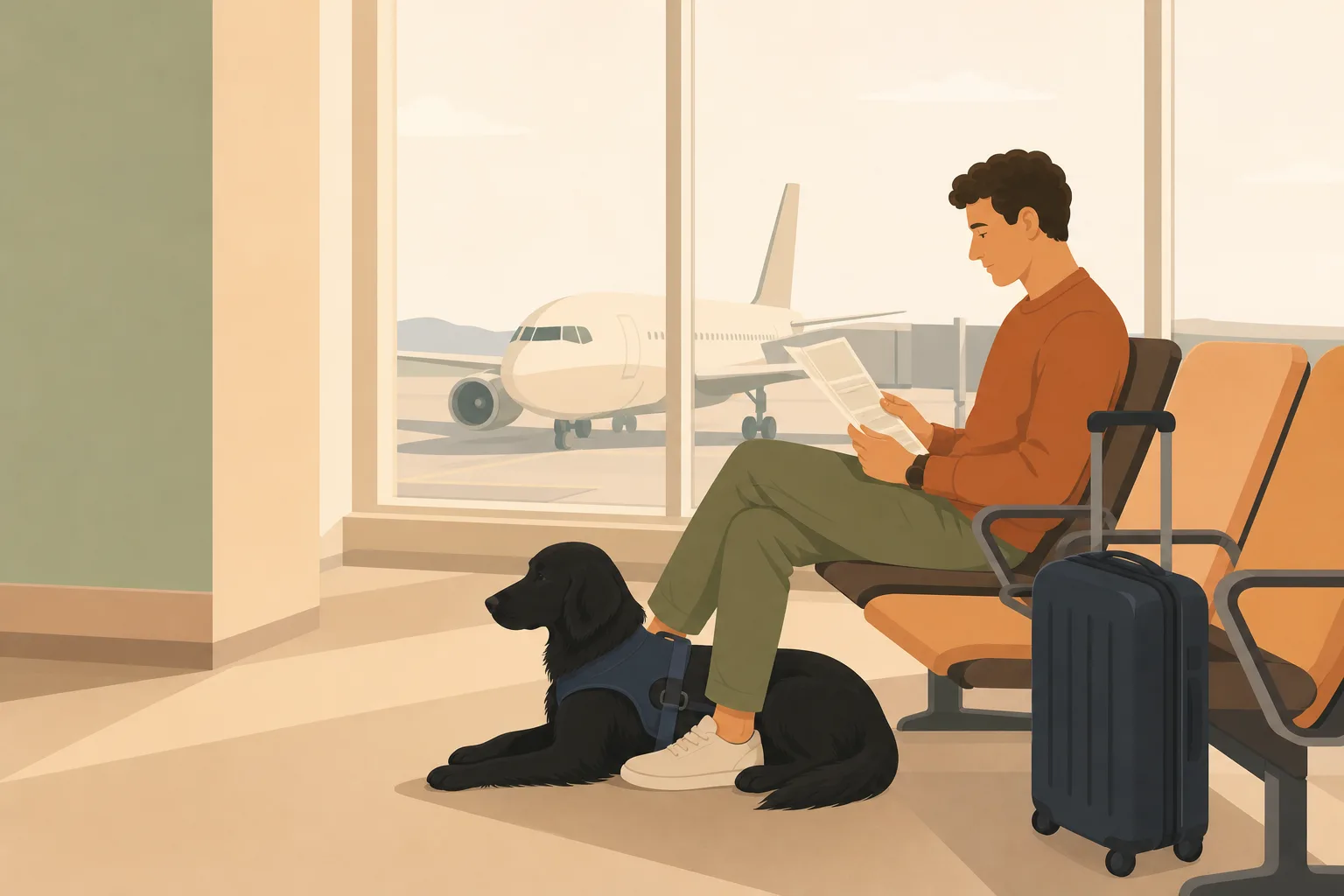
No. U.S. airlines may require only the DOT Service Animal Air Transportation Form, and a relief form on flights of 8 hours or more. They may not ask for a letter (14 C.F.R. § 382.75).
Can a store or restaurant ask to see my PSD letter?
No. Staff may ask only whether the dog is required because of a disability and what task it is trained to perform (28 C.F.R. § 36.302(c)(6)). They may ask you to remove a dog that is out of control or not house-trained.
Does my PSD need a certificate, ID card or vest?
No. The ADA requires none of them, and the Justice Department does not recognise online certificates or registries as proof of anything. Your local dog licensing and vaccination rules still apply.
What's the difference between a PSD letter and an ESA letter?
Training. A psychiatric service dog is trained to do tasks for your disability and is covered in public places and on flights. An emotional support animal helps by being with you and is covered mainly in housing.
How long is a PSD letter valid?
No federal rule sets an expiry date. A landlord or employer may reasonably ask for current information if your situation changes, and Iowa requires housing letters to state an expiry of at least 12 months.
Can I get a psychiatric service dog for anxiety or depression?
Yes, when the anxiety or depression substantially limits a major life activity and the dog is trained to do a task that helps, such as deep pressure during panic or fetching medication. The diagnosis alone is not enough.